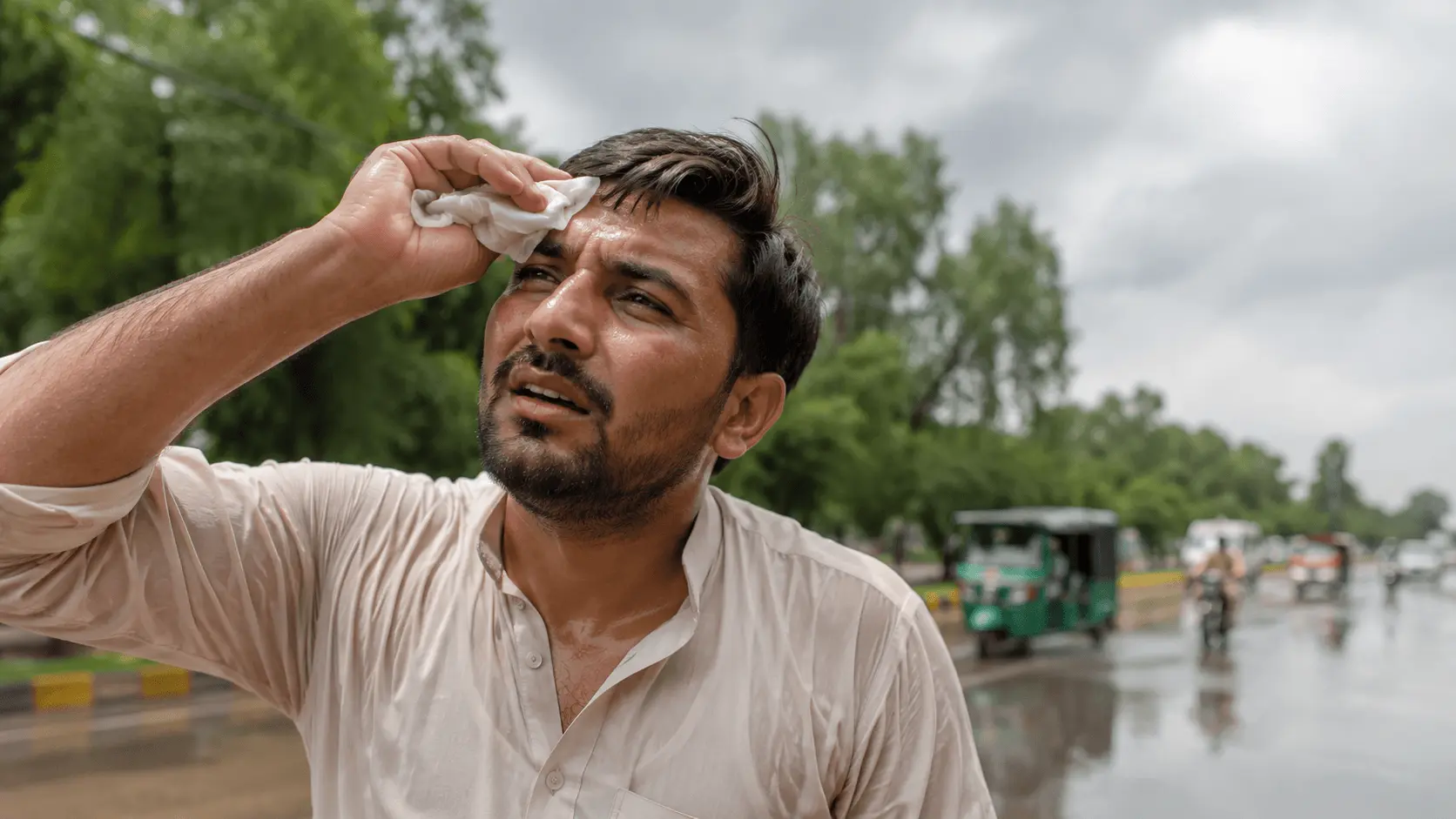
Monsoon heatstroke is a real risk in Pakistan when hot, humid days follow heavy rains. Prevent it by staying hydrated, avoiding peak heat, and recognizing early symptoms.
Imagine stepping out after a fresh monsoon shower in Multan, only to feel the air suddenly thicken. The mix of heat and humidity can sneak up on you, putting you at risk of heatstroke even when the rain cools things down temporarily. This is a common scenario in many parts of Pakistan during monsoon, where high temperatures combine with heavy humidity. Understanding how to protect yourself from heatstroke during this season is crucial.
Monsoon heatstroke prevention in Pakistan means being alert to the weather’s tricky balance—when the sun breaks through rain clouds, and the atmosphere feels hot and heavy. Simple precautions can keep you safe and comfortable, especially if you need to be outdoors or travel during this time.
Why Heatstroke Happens During Monsoon in Pakistan
Heatstroke occurs when your body’s temperature rises quickly and cannot cool down effectively. During monsoon, the air is humid, meaning sweat doesn’t evaporate well. This prevents the body from releasing heat and leads to overheating. Even if the temperature is not extremely high, the humidity can make it feel much hotter and more draining. For evidence-based information on monsoon heatstroke prevention tips in Pakistan, see MedlinePlus (US NIH) and the U.S. CDC.
In Pakistan, cities like Bahawalpur and Faisalabad often experience this uncomfortable combination. After a rain shower, the ground and air trap heat, and humidity levels rise sharply. This creates a perfect setup for heatstroke, especially if you're working or traveling in the heat without enough water.
Other factors include physical exertion, lack of shade, and wearing heavy or dark clothing during these months. People with certain health conditions, the elderly, and children are more vulnerable. This is why understanding monsoon health tips and heatstroke symptoms in Pakistan is important for everyone.
Recognize Heatstroke Symptoms Pakistan Needs to Know
Heatstroke symptoms can appear suddenly and get worse quickly. Recognizing these early signs can save lives. Common symptoms include:
- High body temperature (above 40°C or 104°F)
- Headache and dizziness
- Rapid heartbeat and breathing
- Confusion, irritability, or difficulty speaking
- Dry, hot skin or excessive sweating early on
- Nausea or vomiting
- Muscle weakness or cramps
- Loss of consciousness in severe cases
In the monsoon season, when humidity is high, you might notice that sweating decreases, which is a dangerous sign that your body is failing to cool itself. If you or someone around you shows these symptoms, it is crucial to act fast and seek medical help.
For a detailed understanding of heat-related illnesses, you can visit the heatstroke disease page on HelloDr.pk.
Practical Monsoon Heatstroke Prevention Tips for Pakistan
Here are some actionable steps to protect yourself during the monsoon heatwave:
- Stay Hydrated: Drink plenty of water throughout the day. In Pakistan’s humid monsoon, your body loses fluids even if you don’t feel very thirsty. Avoid sugary or caffeinated drinks as they can dehydrate you.
- Dress Smart: Wear light, breathable clothes made of cotton or linen. Avoid dark colors which absorb heat. Use a wide-brimmed hat or umbrella for shade when outside.
- Limit Outdoor Activities: If possible, avoid heavy physical work or exercise during peak heat hours, usually between 11 am and 4 pm. If you must be outside, take frequent breaks in the shade or indoors.
- Use Fans and Air Conditioning: At home or work, keep rooms cool and well-ventilated. Fans help sweat evaporate, and air conditioning is best when available. In areas with unreliable electricity, plan activities during cooler parts of the day.
- Eat Light and Fresh: Heavy, oily foods can increase your body heat. Fresh fruits and salads help keep you hydrated and provide essential nutrients. Try seasonal Pakistani fruits like guava and watermelon for natural cooling.
- Protect Vulnerable People: Children, elderly, and those with chronic illnesses need extra care. Ensure they stay hydrated and cool. Watch for early signs of heat exhaustion or heatstroke.
These tips are part of broader monsoon health tips that help you stay well during this season.
What to Do If Someone Shows Heatstroke Symptoms
If you notice someone showing signs of heatstroke, act immediately:
- Move the person to a cooler, shaded place.
- Remove excess clothing to help cool the skin.
- Use a damp cloth or spray water on the skin and fan them.
- Offer small sips of water if the person is conscious and able to swallow.
- Call for urgent medical help if symptoms are severe, such as confusion, loss of consciousness, or seizures.
Delaying treatment can lead to serious complications, including organ damage or death. Always book an appointment with a doctor if you suspect heatstroke; on HelloDr.pk, you can book a consultation with verified specialists quickly.
How to Monitor Your Health During Monsoon to Avoid Heatstroke
Keeping an eye on your body’s signals is key. Some simple ways to monitor yourself include:
- Check your temperature if you feel dizzy or weak. A digital thermometer is affordable and widely available in Pakistani pharmacies.
- Notice changes in sweating patterns. Sudden dryness with heat is a warning sign.
- Track fluid intake and urine color—dark urine means dehydration.
- Keep a diary if you have chronic health issues, noting symptoms related to heat.
If you want to order essential medical supplies or medicines for heat-related symptoms, you can browse the HelloDr pharmacy for convenient delivery options.
Comparison Table: Heatstroke vs Heat Exhaustion Symptoms
| Symptom | Heat Exhaustion | Heatstroke |
|---|---|---|
| Body Temperature | Usually < 40°C | Above 40°C (104°F) |
| Sweating | Heavy sweating | Little or no sweating, skin hot/dry |
| Mental Status | Normal or mild confusion | Severe confusion, unconsciousness |
| Other Symptoms | Weakness, headache, nausea | Seizures, loss of consciousness |
Key Monsoon Heatstroke Prevention Tips in Pakistan
Preventing heatstroke during Pakistan’s humid monsoon depends on balancing hydration, clothing, and activity. Listen to your body and prepare for sudden weather changes. Use shade, cool environments, and light meals to reduce risk. Vulnerable groups need special attention. Recognizing symptoms early and seeking medical help can save lives.
Frequently Asked Questions (FAQ)
What are the early signs of heatstroke during monsoon in Pakistan?
Can heatstroke happen even on cloudy or rainy monsoon days?
How much water should I drink daily during monsoon to avoid heatstroke?
Who is most at risk of heatstroke in Pakistan’s monsoon season?
Is it safe to take paracetamol or ibuprofen for heatstroke symptoms?
If you want to consult a specialist about heat-related issues, you can easily book an online video consultation on HelloDr.pk with PMDC-verified doctors.
This article is for general information only and is not a substitute for professional medical advice. Always consult a qualified doctor for diagnosis and treatment. On HelloDr you can book a PMDC-verified doctor for an in-clinic or online consultation.





0 Comments