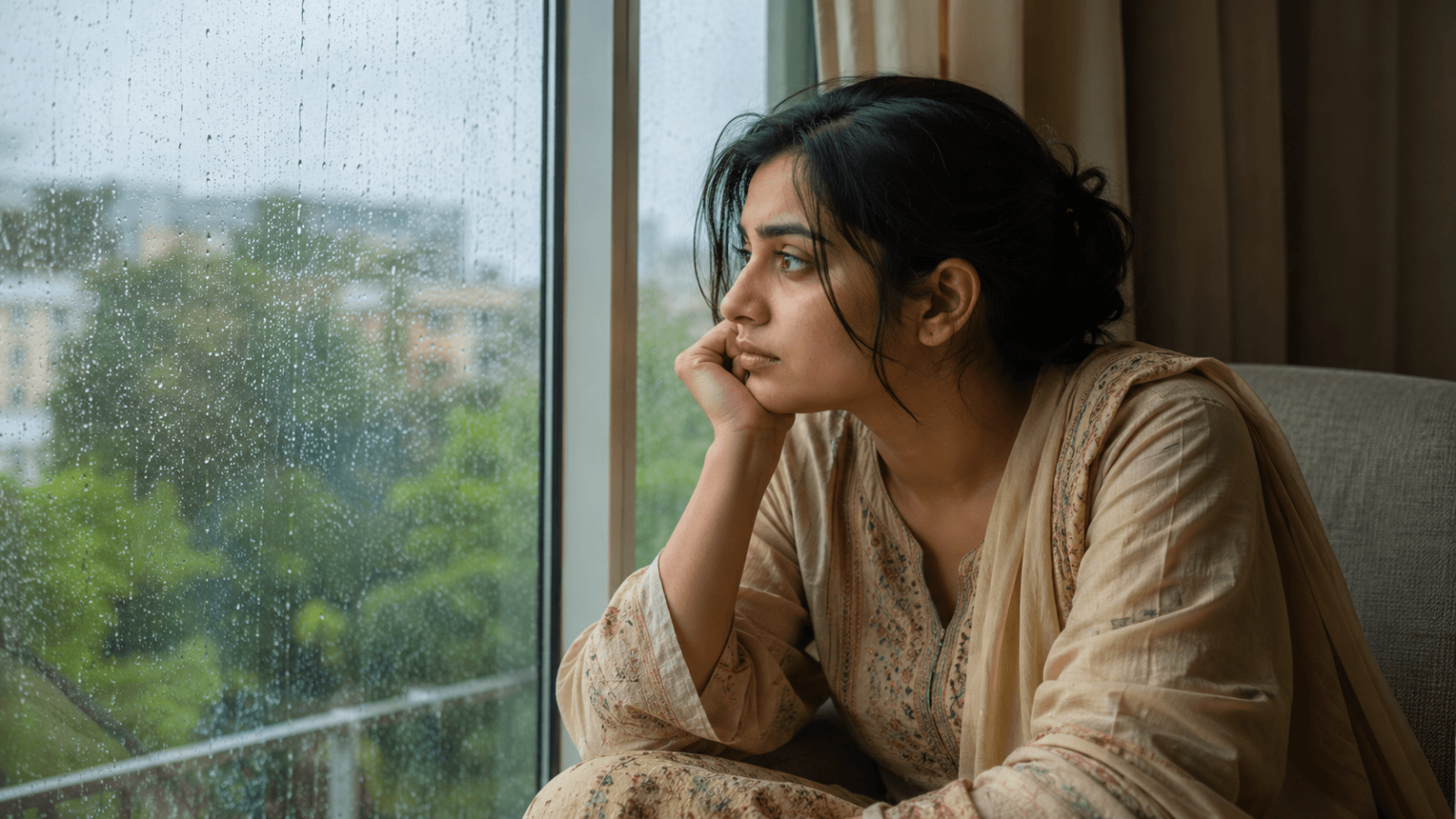
Monsoon season in Pakistan can bring gloomy skies and isolation that affect mental health. Practical support strategies help manage seasonal mood changes and loneliness.
Have you noticed how the monsoon rains sometimes bring a heavy feeling, not just in the air but in your mood? Many people in Pakistan face mental health challenges during the monsoon season, when grey skies, continuous rain, and limited sunlight can lead to feelings of gloom and isolation. This article explores why monsoon mental health issues happen and offers practical strategies to support your emotional wellbeing during this season in 2026.
Monsoon gloom and isolation can affect anyone but are especially common in urban areas where heavy rains can limit outdoor activity and social interaction. Seasonal depression, including a condition known as Seasonal Affective Disorder (SAD), tends to rise during months with less sunlight and more indoor confinement, which the monsoon often brings in Pakistan. Understanding how to cope with these changes is key to staying balanced and healthy.
Why Does the Monsoon Season Impact Mental Health in Pakistan?
Monsoon mental health challenges in Pakistan are linked to several environmental and social factors. The season typically lasts from July to September, bringing heavy rains and cloudy days that reduce exposure to natural sunlight. Sunlight influences the production of serotonin, a brain chemical that helps regulate mood. Less sunlight means lower serotonin levels, which can contribute to feelings of sadness and lethargy. For evidence-based information on mental health support strategies during monsoon gloom and isolation in Pakistan 2026, see MedlinePlus (US NIH) and the U.S. CDC.
Additionally, the constant rain and humidity often cause people to stay indoors, reducing opportunities for physical activity and socialising. This isolation can increase stress and feelings of loneliness, especially for those living alone or in smaller family units. Karachi’s flooded streets or Islamabad’s damp, misty mornings can discourage even short walks or visits with friends.
For people with a history of mental health issues, the monsoon can trigger more intense symptoms. Even those without prior conditions might notice a dip in motivation, sleep disturbances, or increased irritability. Seasonal depression Pakistan-wide is a real concern, though exact prevalence is not fully documented. Mental health stigma in many communities also means many suffer quietly without seeking help.
Recognising Signs of Monsoon-Related Mental Health Struggles
Recognising when monsoon gloom is affecting your mental health helps you take steps early. Common signs include persistent low mood, loss of interest in activities you usually enjoy, fatigue, changes in appetite, and difficulty concentrating. You might find yourself sleeping more but still feeling tired or waking early and unable to return to sleep.
Isolation can worsen these symptoms because reduced social contact removes important emotional support. If you notice increased feelings of hopelessness, withdrawal from family or friends, or thoughts about self-harm, it is urgent to seek professional help. These are red flags that require immediate attention.
Understanding these signs is important for caregivers too. Sometimes loved ones might not openly share their feelings, so gently checking in during monsoon gloom can make a difference. Encouraging conversation about emotions helps break the stigma and shows support.
Practical Mental Health Support Strategies During Monsoon
There are many ways you can support your mental health during the monsoon gloom and isolation, even if you are stuck indoors or have limited access to outdoor spaces.
1. Maximise Natural Light Indoors
Open curtains and windows during daylight hours to let in as much natural light as possible. If sunlight is scarce, consider spending time near a window or using a light therapy lamp, which mimics daylight and can help improve mood.
2. Stay Physically Active
Exercise releases endorphins, which improve mood. Simple indoor exercises, yoga, or stretching can keep your body moving. Even dancing to your favourite music in your living room can help. Community centres or gyms might offer monsoon-friendly indoor activities, especially in cities like Faisalabad or Peshawar where outdoor movement can be tough.
3. Maintain Social Connections
Social isolation is a big factor in monsoon gloom. Use phone calls, video chats, or social media to stay connected with friends and family. Platforms like online video consultation also offer easy access to mental health professionals if you feel overwhelmed or anxious.
4. Create a Comfortable, Pleasant Indoor Environment
Keep your living space clean and bright. Adding plants, playing calming music, or lighting scented candles can improve your mood. A tidy environment reduces stress and gives a sense of control when outside conditions feel gloomy.
5. Maintain a Routine
Monsoon rains can disrupt daily schedules. Try to wake and sleep at regular times, eat balanced meals, and plan simple daily tasks. Structure helps your brain stay focused and reduces anxiety from uncertainty.
6. Practice Mindfulness and Relaxation Techniques
Mindfulness meditation, deep breathing, or progressive muscle relaxation can reduce stress. There are many free online resources in Urdu and English that guide such practices, which can be done indoors with little time.
7. Watch Your Diet and Hydration
Monsoon often brings craving for fried snacks and sugary treats. Try to balance these with nutritious foods like fresh fruits, vegetables, and whole grains. Staying hydrated is important despite cooler temperatures. Drinking fresh lemon water or green tea can be refreshing and boost wellbeing.
When to See a Doctor for Monsoon Mental Health Issues
Not all low mood or tiredness needs medical treatment, but persistent or worsening symptoms should be evaluated by a professional. If you experience any of the following, book a consultation with a PMDC-verified psychiatrist or psychologist:
- Feeling hopeless or helpless for more than two weeks
- Loss of interest in daily activities and social withdrawal
- Difficulty sleeping or sleeping too much
- Thoughts about self-harm or suicide
- Severe anxiety or panic attacks interfering with daily life
Doctors can help by offering counselling, recommending therapy, or evaluating if medication is needed. In Pakistan, mental health services are becoming more accessible via platforms like HelloDr, where you can book an appointment for an online or in-clinic visit easily.
How to Support Others Experiencing Monsoon Gloom
If a friend or family member seems withdrawn during the rains, your support can be crucial. Start by simply listening without judgment. Encourage them to share their feelings and offer to help with daily tasks if isolation is a problem.
Invite them to join you for indoor activities like cooking, watching movies, or light exercises. Remind them of the importance of seeking professional help if symptoms worsen. Sharing resources, such as the link to psychiatrists or mental health counsellors on HelloDr, can guide them towards care.
Comparing Common Monsoon Mental Health Symptoms and Actions
| Symptom | Possible Cause | Suggested Action |
|---|---|---|
| Low energy and motivation | Reduced sunlight, serotonin drop | Increase indoor light, mild exercise |
| Sleep changes (too much or too little) | Disrupted routines, anxiety | Maintain regular sleep schedule, relaxation techniques |
| Feelings of sadness or irritability | Seasonal depression, isolation | Talk to loved ones, consider counselling |
| Social withdrawal | Isolation, low mood | Reach out to friends, schedule social time |
| Thoughts of self-harm | Severe depression | Seek urgent medical help |
Frequently Asked Questions
Can monsoon weather cause depression in Pakistan?
What are simple ways to improve mood during monsoon gloom?
How can I find mental health support in Pakistan during monsoon?
Is seasonal depression common in Pakistan?
When should I seek urgent help for monsoon-related mental health issues?
If you want to consult a mental health specialist or book a psychologist or psychiatrist appointment in Pakistan, HelloDr offers verified doctors for both online and in-clinic visits. You can also check available lab tests if your doctor recommends any assessments related to your condition.
This article is for general information only and is not a substitute for professional medical advice. Always consult a qualified doctor for diagnosis and treatment. On HelloDr you can book a PMDC-verified doctor for an in-clinic or online consultation.





0 Comments