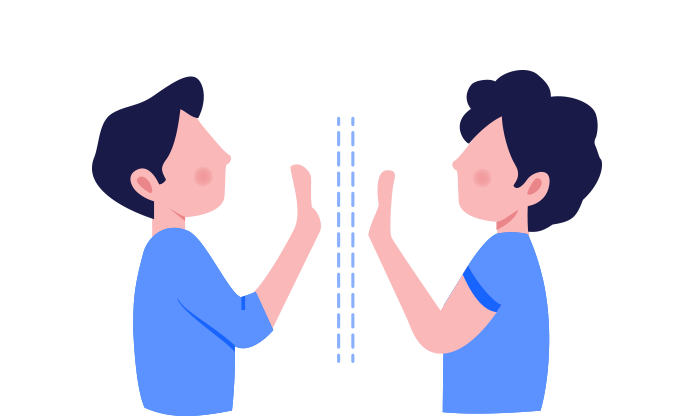
Person-to-person spread as close contact with infected
The coronavirus is thought to spread mainly from person to person. This can happen between people who are in close contact with one another.
Be well informed about COVID-19 — how it spreads, the symptoms to watch for and the habits that protect you. Consult verified doctors online, book a test and get medicines delivered.

About the disease
COVID-19 is an illness that can affect your lungs and airways, caused by a coronavirus first identified in December 2019. Common signs include fever, cough and shortness of breath; in more severe cases it can cause pneumonia and breathing difficulties.
How coronavirus is spread
Because it is a new illness, we do not know exactly how coronavirus spreads from person to person. Similar viruses are spread in cough droplets.
The coronavirus is thought to spread mainly from person to person. This can happen between people who are in close contact with one another.
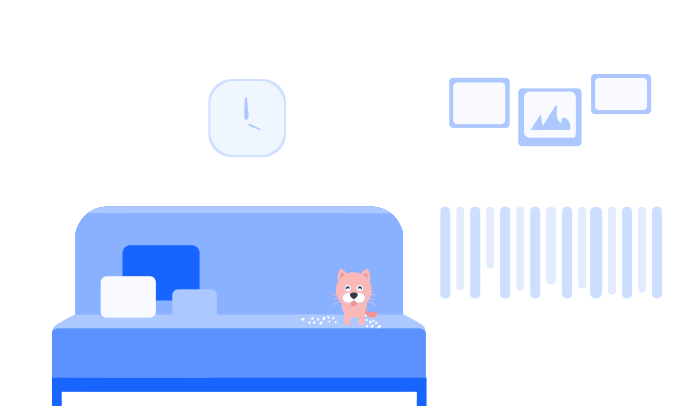
A person can get COVID-19 by touching a surface or object that has the virus on it and then touching their own mouth, nose, or possibly their eyes.
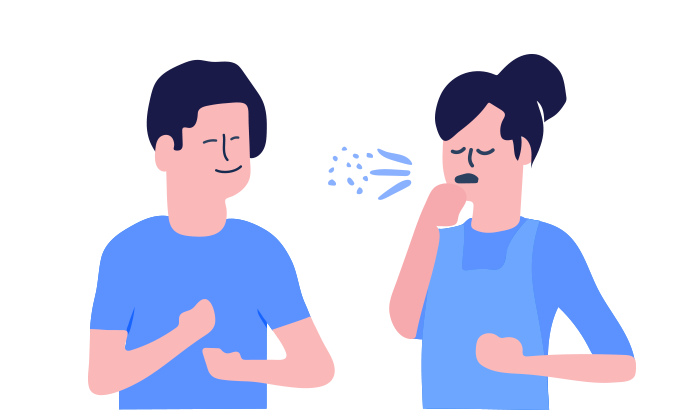
Small liquid droplets from the nose or mouth of an infected person may spread the virus when they cough, sneeze, talk or breathe near others.
What are the symptoms of COVID-19?
The most common symptoms of COVID-19 are fever, tiredness and dry cough. Some patients may have aches and pains, nasal congestion, runny nose, sore throat or diarrhoea. These symptoms are usually mild and begin gradually, and may appear 2–14 days after exposure.
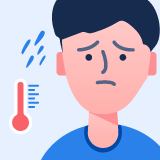
High fever — you feel hot to touch on your chest or back. It is a common early sign and may appear 2–10 days after exposure.
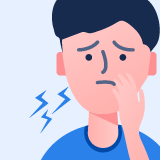
Continuous cough — coughing a lot for more than an hour, or 3 or more coughing episodes in 24 hours.
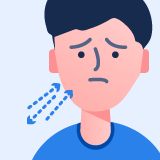
Difficulty breathing — around 1 in 6 people who get COVID-19 become seriously ill and develop shortness of breath.
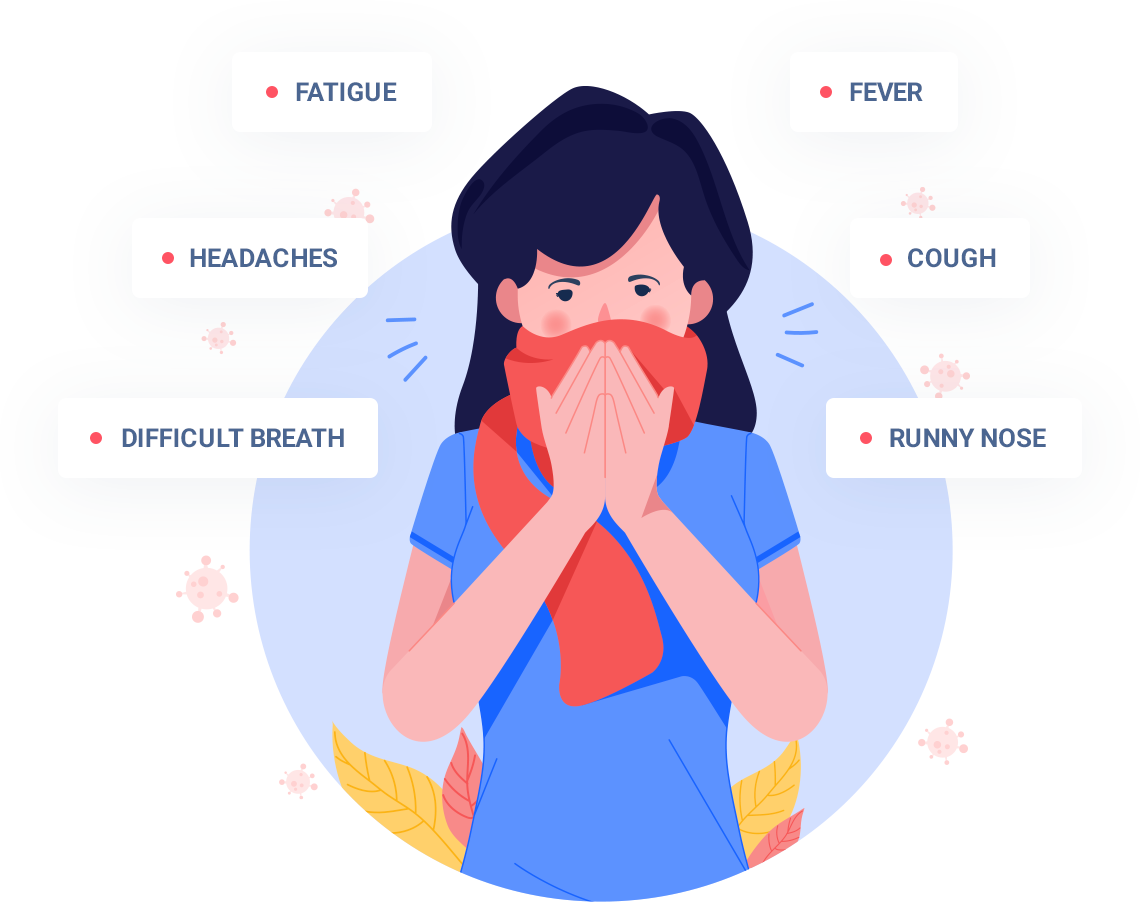
Symptoms may also include
Less common, but still worth acting on if they appear together.
Seek urgent care
Go to the nearest facility immediately for difficulty breathing, persistent chest pain or pressure, bluish lips or face, or new confusion. In an emergency, do not wait for an online consultation.
Prevention
There is no single fix — the best way to prevent illness is to avoid being exposed to the virus by layering these simple habits.
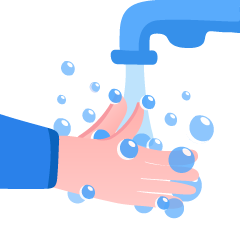
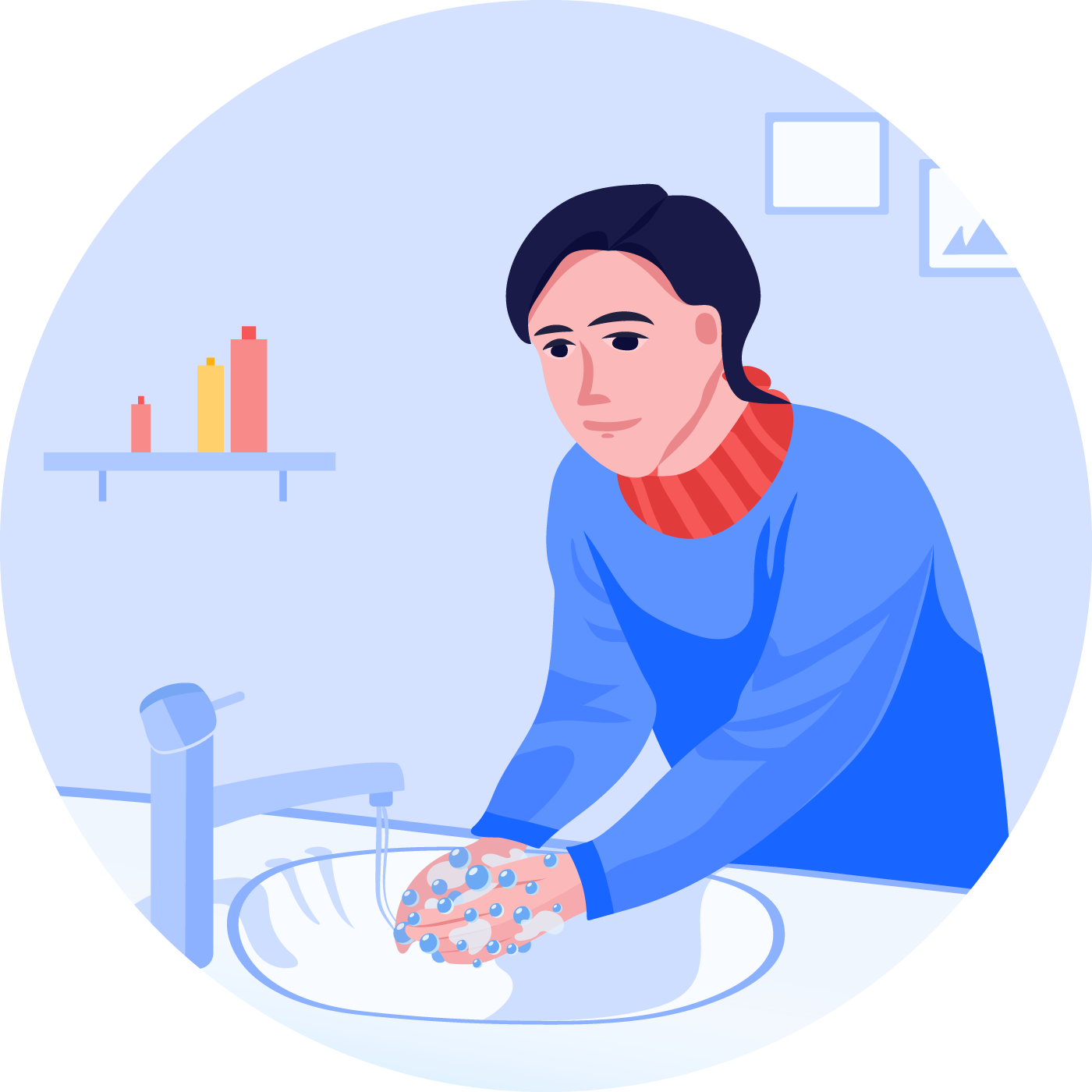
Clean your hands with an alcohol-based rub or wash them with soap and water for at least 20 seconds.
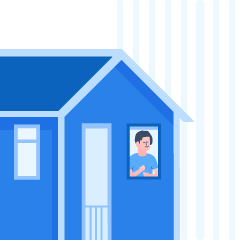
Maintain at least 1 metre (3 feet) from anyone who is coughing or sneezing.
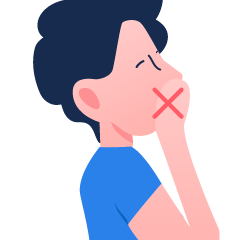
Hands pick up viruses and can transfer them to your eyes, nose or mouth.
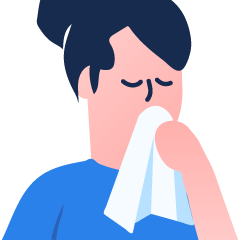
Cover your mouth and nose with your bent elbow or a tissue when you cough or sneeze.
Be careful & stay safe
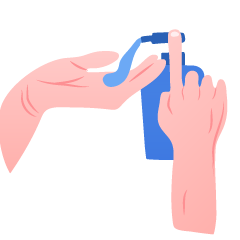
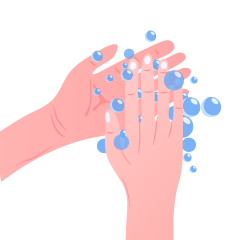
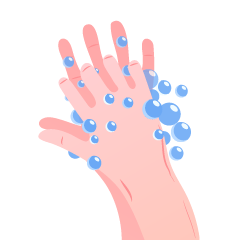
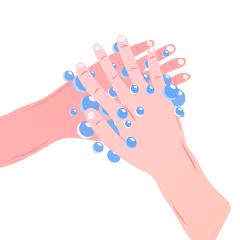
Hand hygiene
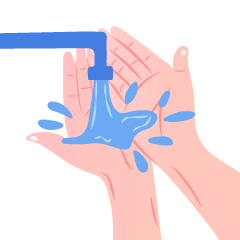
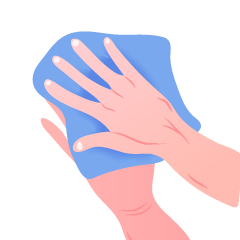
Regularly and thoroughly clean your hands with an alcohol-based rub or wash them with soap and water — it kills viruses that may be on your hands. Follow these six steps for at least 20 seconds.
Do's & Don'ts
Do
 Wash your hands
Clean your hands often with soap and water or a sanitiser.
Wash your hands
Clean your hands often with soap and water or a sanitiser.
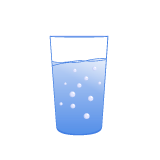 Drink plenty of water
Stay hydrated and rest to help your body recover.
Drink plenty of water
Stay hydrated and rest to help your body recover.
 Use a face mask
Wear a mask in crowded or poorly ventilated places.
Use a face mask
Wear a mask in crowded or poorly ventilated places.
Don't
 Avoid close contact
Keep your distance from anyone who is unwell.
Avoid close contact
Keep your distance from anyone who is unwell.
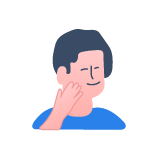 Don't touch your face
Avoid touching your eyes, nose and mouth.
Don't touch your face
Avoid touching your eyes, nose and mouth.
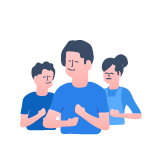 Don't gather in crowds
Do not gather in crowded, closed-in spaces.
Don't gather in crowds
Do not gather in crowded, closed-in spaces.
FAQ
A novel coronavirus is a new coronavirus that has not been previously identified. The disease it causes is named COVID-19 — 'CO' for corona, 'VI' for virus and 'D' for disease. It is not the same as the coronaviruses that commonly circulate among humans and cause mild illness, like the common cold.
Symptoms usually appear 2–14 days after exposure and vary from person to person. Some people have very mild symptoms or none at all while still being able to pass the virus on.
Counter stigma by learning and sharing facts. Communicating that viruses do not target specific racial or ethnic groups, and explaining how COVID-19 actually spreads, helps stop stigma.
Mainly through respiratory droplets produced when an infected person coughs or sneezes, and by close personal contact. It may also spread when a person touches a surface with the virus on it and then touches their mouth, nose or eyes.
Yes. People can pass the virus on before symptoms start or without ever feeling unwell, which is why precautions matter even when you feel fine.
The virus can be transmitted in all areas, including hot and humid weather. Regardless of climate, adopt protective measures if you live in or travel to an area reporting COVID-19.
Take simple precautions: clean your hands regularly, keep at least 1 metre from anyone coughing or sneezing, avoid touching your face, cover coughs and sneezes with your elbow or a tissue, and stay home if you feel unwell.
Older adults and people with serious underlying medical conditions — such as heart disease, diabetes or lung disease — may be at higher risk of more serious complications from COVID-19.
Wear a mask if you have COVID-19 symptoms (especially coughing), if you are caring for someone who may have COVID-19, and in crowded or poorly ventilated indoor settings. The most effective measures remain hand cleaning, covering coughs and keeping distance.
The most common symptoms are fever, tiredness and dry cough. Some people may have aches and pains, nasal congestion, runny nose, sore throat, loss of taste or smell, or diarrhoea. Most people recover without special treatment, but anyone with fever, cough and difficulty breathing should seek medical attention.
Consider a test if you develop symptoms such as fever, cough or loss of taste or smell, or after close contact with a confirmed case. A doctor can advise which test is appropriate and when.
Where available, you can book a diagnostic lab with home sample collection through HelloDr. Check the lab profile to confirm coverage in your area before booking.
No questions in this group yet.
This page provides general awareness and is not a substitute for professional medical advice, diagnosis or treatment. Always consult a qualified doctor about your symptoms. In an emergency, or if you have trouble breathing, chest pain or confusion, seek immediate care at the nearest facility.
Skip the waiting room. Get expert guidance from home in minutes and take your next step with confidence.
Our dedicated support team is available 24/7 to help you with any questions or issues. Get in touch with us anytime.
 24/7
Availability
24/7
Availability
 Fast Response
Time
Fast Response
Time
 Expert
Assistance
Expert
Assistance
Show results near you?
Allow location to auto-select your city and see nearby doctors.