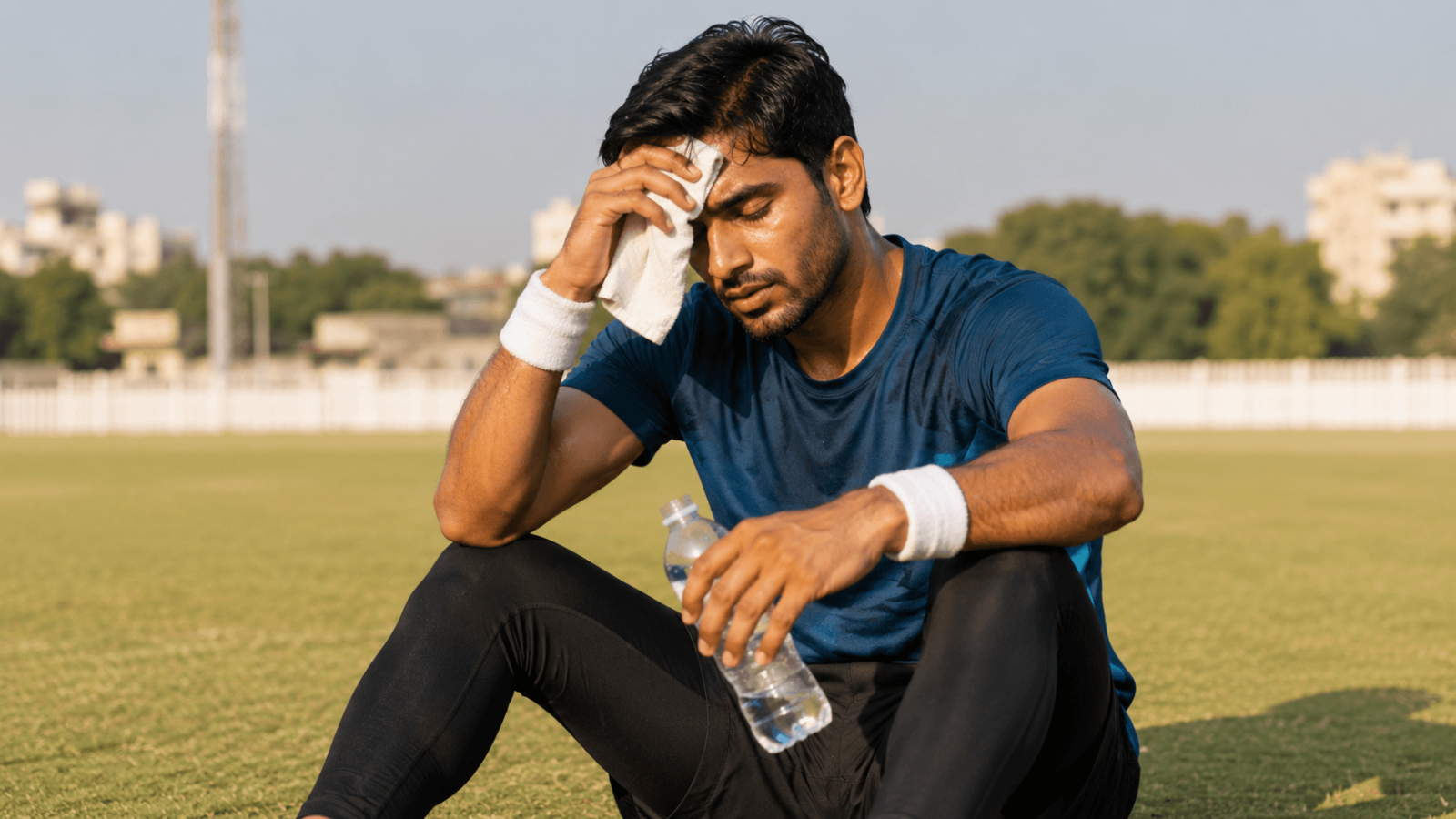
Heat exhaustion can sneak up fast on athletes during Pakistan’s intense summer heat. Early signs include heavy sweating, dizziness, and weakness. Recognizing these symptoms early helps prevent serious heat-related illness.
Imagine playing cricket on a sizzling July afternoon in Multan. The sun is relentless, and even as you run between the wickets, your body feels unusually tired and dizzy. This isn’t just fatigue—it could be the early warning signs of heat exhaustion, a condition that often hits athletes in Pakistan’s hot summers.
Heat exhaustion happens when your body overheats and struggles to cool down, especially during physical activity under high temperatures. It’s common among sports enthusiasts and athletes who push their limits outdoors. Knowing how to spot the early signs can protect you from progressing to heatstroke, a much more dangerous emergency.
Let’s break down how to recognize heat exhaustion symptoms in Pakistan’s summer sports scene, why they happen, and what you should do to stay safe.
What Are the Early Signs of Heat Exhaustion?
Heat exhaustion symptoms usually develop after prolonged exposure to high temperatures combined with strenuous activity. In Pakistan, where summer temperatures can soar above 40°C in many regions, athletes face a high risk if they don’t hydrate or rest properly.
Common early signs include heavy sweating, weakness, and feeling faint. You might notice your skin turning clammy and pale even though you are sweating a lot. This happens because your body is trying hard to cool off but struggling to keep up.
Other important symptoms to watch for are:
- Muscle cramps, especially in the legs or abdomen
- Headache that doesn’t go away with rest
- Dizziness or feeling lightheaded, sometimes with nausea
- Rapid heartbeat and shallow breathing
- Feeling irritable or confused
These symptoms may seem mild at first but can escalate quickly if you ignore them. Unlike heatstroke, the body temperature may still be normal or slightly raised in heat exhaustion, but the risk of serious complications is real if untreated (CDC heat illness information).
Sports played in Pakistan’s summer heat—like cricket, hockey, or running—are common scenarios where these symptoms appear. For example, in Faisalabad’s open grounds, a young athlete might push through muscle cramps and dizziness, thinking it’s just tiredness, but it’s actually a sign that the body’s cooling system is overwhelmed.
Why Does Heat Exhaustion Happen During Summer Sports in Pakistan?
Pakistan’s geography creates hot, dry summers in many cities and humid conditions in places like Karachi and coastal areas. When you exercise, your muscles generate heat, and your body tries to cool down by sweating. But in extreme heat or humidity, sweat evaporates less effectively, so the cooling system falters.
Several factors contribute:
- High temperatures and humidity: When the air is hot and sticky, your sweat doesn’t evaporate well, reducing cooling.
- Dehydration: Sweating causes loss of fluids and salts. Without enough water intake, your blood volume drops and your body struggles to circulate heat and oxygen.
- Physical exertion: Intense sports demand more energy and heat production.
- Inadequate acclimatization: Athletes who are not used to the heat or suddenly increase their training intensity are more vulnerable.
- Improper clothing or gear: Heavy or dark-colored clothing traps heat.
In Pakistan, unshaded sports fields and crowded urban parks often lack water stations or cooling areas, increasing risk. During peak sun hours, athletes training without breaks or hydration face a higher chance of heat exhaustion, especially if fasting or not drinking enough fluids (WHO heatwave safety).
What to Do If You Recognize Early Heat Exhaustion Signs
If you or a teammate show any early symptoms, take action immediately to prevent worsening. The first step is to stop activity and move to a cooler place—ideally a shaded or air-conditioned spot.
Next, hydrate with water or an oral rehydration solution if available. Avoid sugary or caffeinated drinks, which can worsen dehydration. Loosen tight clothing and use a wet cloth or fan to help cool the skin. Rest and avoid exertion until symptoms improve.
Eating a light snack with salt can help restore electrolyte balance, especially if muscle cramps are present. However, avoid heavy meals or alcohol as they tax the digestive system and hydration.
If symptoms do not improve within 30 minutes or if the person becomes confused, weak, or vomits repeatedly, seek medical help urgently. Early medical intervention can prevent progression to heatstroke, which requires hospital care (NHS on heat exhaustion).
In Pakistan, public hospitals and many private clinics are equipped to handle heat-related illnesses during summer. If you want professional advice quickly, you can also book an online video consultation with a PMDC-verified doctor on HelloDr.pk to discuss symptoms and next steps.
How Pakistani Athletes Can Stay Safe During Summer Sports
Prevention is key. Recognizing how easily heat exhaustion can strike helps you prepare and protect yourself.
Here are practical tips for summer sports safety in Pakistan:
- Schedule training early or late: Avoid the midday sun. Early mornings and evenings usually have lower temperatures.
- Stay hydrated: Carry a water bottle and sip regularly, aiming for at least 2–3 liters a day, more if sweating heavily or fasting.
- Wear appropriate clothing: Light-colored, loose, breathable fabrics help sweat evaporate and keep you cooler.
- Take frequent breaks: Rest in shade, especially if you feel tired or dizzy.
- Acclimatize gradually: Build up your training intensity over several days to allow your body to adapt to the heat.
- Listen to your body: Don’t ignore symptoms like headache or cramps—these are your body’s warning signals.
Sports clubs and schools in Pakistan should also provide shaded rest areas, water availability, and educate athletes about heat safety. Local awareness campaigns have been increasing, but personal responsibility remains crucial.
When to See a Doctor Urgently: Red Flags to Watch For
Heat exhaustion can worsen into heatstroke, a life-threatening condition. Be alert for these urgent warning signs:
- Body temperature rising above 40°C (104°F)
- Loss of consciousness or seizures
- Confusion, agitation, or strange behavior
- Rapid breathing or heartbeat
- Persistent vomiting or inability to keep fluids down
If any of these occur, call emergency services or go to the nearest hospital immediately. Heatstroke requires immediate cooling and medical treatment to prevent organ damage or death. For non-emergency concerns or follow-up, you can conveniently book an appointment with a qualified doctor in your city through HelloDr.pk.
Frequently Asked Questions
What is the difference between heat exhaustion and heatstroke?
How quickly can heat exhaustion develop during sports in Pakistan?
Can children and older adults get heat exhaustion playing sports?
Are there specific sports in Pakistan with higher heat exhaustion risks?
Does fasting during summer increase the risk of heat exhaustion?
If you want to check your symptoms or get advice on managing heat risks, you can use the HelloDr AI symptom guide or consult a specialist through online video consultation.
Bottom Line: Protect Yourself from Heat Exhaustion This Summer
Heat exhaustion is a common and preventable hazard for athletes in Pakistan’s hot summer months. Knowing the early signs like heavy sweating, muscle cramps, dizziness, and headache can save your health and even your life. Take frequent water breaks, avoid peak sun hours, and listen to your body’s signals. If symptoms arise, stop immediately, cool down, and hydrate.
Stay informed and safe by consulting qualified doctors through platforms like HelloDr.pk, especially if you feel unwell or want tailored advice. Your summer sports can remain enjoyable and injury-free with the right precautions.
Key takeaways
- Early heat exhaustion symptoms include heavy sweating, weakness, dizziness, and muscle cramps.
- Pakistan’s hot, humid summers increase risk during outdoor sports like cricket and hockey.
- Stop activity, move to shade, hydrate, and rest immediately if symptoms appear.
- Seek urgent medical care if confusion, high fever, or loss of consciousness develops.
- Prevent heat exhaustion by training outside peak heat, wearing light clothing, and staying hydrated.
This article is for general information only and is not a substitute for professional medical advice. Always consult a qualified doctor for diagnosis and treatment. On HelloDr you can book a PMDC-verified doctor for an in-clinic or online consultation.



0 Comments