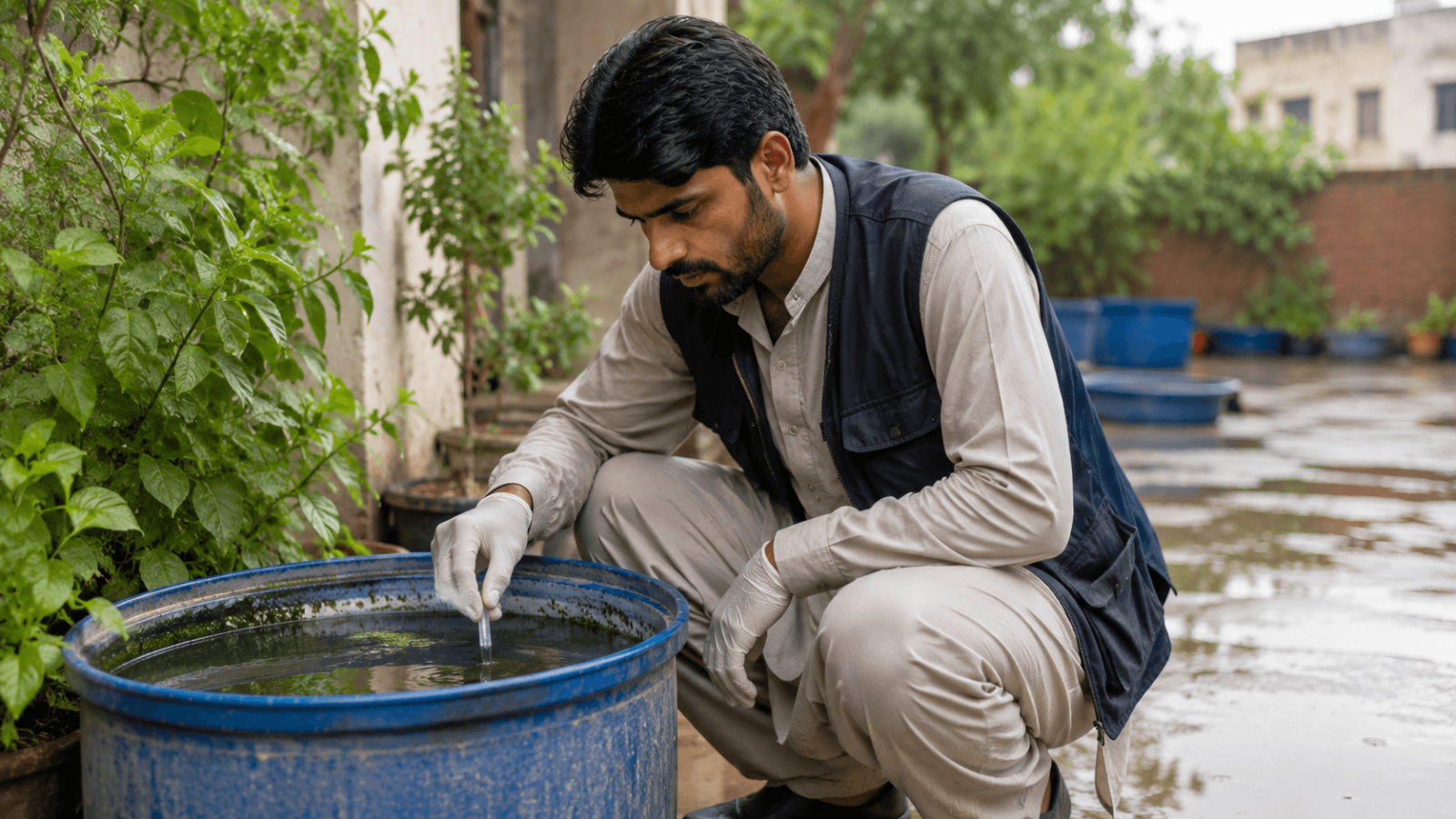
Monsoon dengue outbreak prevention and early detection in Pakistan 2026 are vital to reduce illness. Taking simple steps to avoid mosquito breeding and spotting symptoms early can save lives.
Have you noticed more mosquitoes around your home this monsoon? The rainy season in Pakistan often brings a spike in dengue cases, especially in 2026 as the weather creates perfect breeding conditions. Knowing how to stop dengue before it spreads and catching it early can protect your family and community.
Quick answer: Preventing the monsoon dengue outbreak in Pakistan 2026 involves eliminating mosquito breeding sites, using protective measures, and recognizing early signs of dengue fever to seek timely medical care. Acting quickly and carefully can reduce severe illness and complications.
Why We Must Prioritize Dengue Prevention This Monsoon
Each year, Pakistan faces a rise in dengue cases during the monsoon months because stagnant water collects easily in urban and rural areas. Aedes aegypti mosquitoes, which spread dengue virus, breed in small water containers common in Pakistani homes and neighborhoods. For evidence-based information on monsoon dengue outbreak prevention and early detection 2026 Pakistan, see MedlinePlus (US NIH) and the U.S. CDC.
The 2026 dengue outbreak Pakistan experts warn could be more intense due to factors like delayed monsoon rains, higher temperatures, and increased urban flooding. These conditions boost mosquito populations and virus transmission.
Without prevention, hospitals can become overwhelmed, and people risk severe dengue complications like bleeding or organ failure. This makes community-level prevention essential to reduce the outbreak's impact.
How to Stop Mosquito Breeding Around Your Home
Stopping mosquito breeding is the most effective way to prevent dengue. Mosquitoes lay eggs in clean stagnant water, so your goal is to remove or treat any water collection spots.
Common breeding places include flower pots, water storage containers, old tires, blocked drains, and uncovered tanks. Even small puddles or water collected in bottle caps can be breeding grounds.
Here are practical steps you can take:
- Empty and scrub water containers like pots and buckets at least twice a week to kill mosquito eggs.
- Cover water storage tanks tightly to prevent mosquitoes from laying eggs.
- Clear gutters and drains to avoid blockage and water pooling.
- Dispose of old tires, plastic containers, and trash that can hold water.
- Use larvicides in water that cannot be emptied, such as underground tanks, following local health authority advice.
Community cleanup drives in your area can multiply the impact and reduce mosquito numbers significantly. Schools, mosques, and local groups often organize such efforts during monsoon.
Protect Yourself from Mosquito Bites During the Dengue Season
Even with breeding control, some mosquitoes remain. Protecting yourself from bites lowers your chance of infection.
Wear long sleeves and pants, especially from late afternoon to early morning when Aedes mosquitoes bite most. Use mosquito nets when sleeping, and apply insect repellents containing DEET or picaridin on exposed skin.
Installing mesh screens on windows and doors can keep mosquitoes out of your home. Fans also help, as mosquitoes struggle to fly in strong air currents.
For children and elderly family members, extra care is needed since severe dengue risk is higher. Using mosquito nets over cribs or beds is very effective.
Spot Early Signs of Dengue Fever and Act Quickly
Early detection of dengue is key to managing it safely. Dengue usually starts 4 to 10 days after a mosquito bite with symptoms like sudden high fever (bukhar), severe headache, pain behind the eyes, muscle and joint aches, and rash.
Watch for warning signs that require urgent medical attention:
- Severe abdominal pain or persistent vomiting
- Bleeding from gums, nose, or under the skin (appearing as bruises)
- Difficulty breathing or rapid breathing
- Extreme fatigue or restlessness
- Cold or clammy skin, pale face
If you or anyone in your family develops these red flags, see a doctor immediately. Delayed medical care can lead to serious complications like dengue hemorrhagic fever or dengue shock syndrome.
On HelloDr, you can book an online consultation with a PMDC-verified doctor to discuss symptoms early and get advice on lab testing or hospital referral.
Use Lab Tests for Confirmation and Monitoring
Dengue diagnosis is confirmed through blood tests that detect virus antibodies or antigens. Early testing helps rule out other infections with similar symptoms, like chikungunya or malaria.
Lab tests such as NS1 antigen and IgM/IgG antibody tests are commonly used within the first week of symptoms. You can find trustworthy lab testing centers near you on HelloDr to get these tests done reliably.
Once diagnosed, doctors may recommend regular blood counts to monitor platelet levels and liver function, as dengue can affect these. Proper monitoring helps prevent complications and guides treatment decisions.
Engage in Community Efforts to Control Dengue Outbreaks
Individual actions are powerful but combined community efforts multiply success. Local governments, health workers, and citizens can work together to reduce dengue risks.
Participate in cleanup campaigns, report stagnant water sites to municipal authorities, and spread awareness about dengue prevention among family and neighbors.
Schools and workplaces should educate people on mosquito bite protection and symptom recognition. Community health workers often visit households during outbreaks to identify and assist suspected dengue cases early.
Pakistan’s health authorities also run vector control programs using fogging and larviciding in high-risk areas. While fogging kills adult mosquitoes, it does not affect larvae, so personal and community breeding control remains essential.
Understand When to See a Doctor Immediately
Not all dengue cases require hospital admission, but knowing when to seek urgent care can save lives. Besides the warning signs mentioned earlier, see a doctor urgently if:
- You have high fever lasting more than 7 days without improvement.
- Any bleeding occurs, even mild (e.g., nosebleed, blood in urine or stool).
- Severe dehydration signs like very little urination, dry mouth, or dizziness.
- Underlying health conditions like diabetes or heart disease worsen during illness.
Early consultation with a physician, either in-clinic or via booking an appointment online, helps manage symptoms and prevents progression to severe dengue.
Key Differences Between Dengue and Other Monsoon Illnesses
| Symptom | Dengue Fever | Chikungunya | Malaria |
|---|---|---|---|
| Fever | High sudden fever, often >39°C | High fever, often with joint pain | Intermittent fever with chills |
| Joint Pain | Severe muscle and joint pain | Very severe joint pain, swollen joints | Less common |
| Rash | Skin rash common | Rash less common | Rare |
| Bleeding | Possible bleeding/bruising | Rare | Rare |
Because symptoms overlap, lab tests are essential for accurate diagnosis and treatment guidance. HelloDr offers access to doctors who can advise on appropriate tests and care.
Frequently Asked Questions
How soon after mosquito bites do dengue symptoms appear?
Can dengue be prevented with a vaccine in Pakistan?
Is fogging enough to stop dengue outbreaks?
When should I get a dengue blood test?
Are children more at risk of severe dengue?
If you notice any dengue symptoms or warning signs, don’t hesitate to consult a doctor online or book a clinic appointment through HelloDr to get timely help.
This article is for general information only and is not a substitute for professional medical advice. Always consult a qualified doctor for diagnosis and treatment. On HelloDr you can book a PMDC-verified doctor for an in-clinic or online consultation.







0 Comments