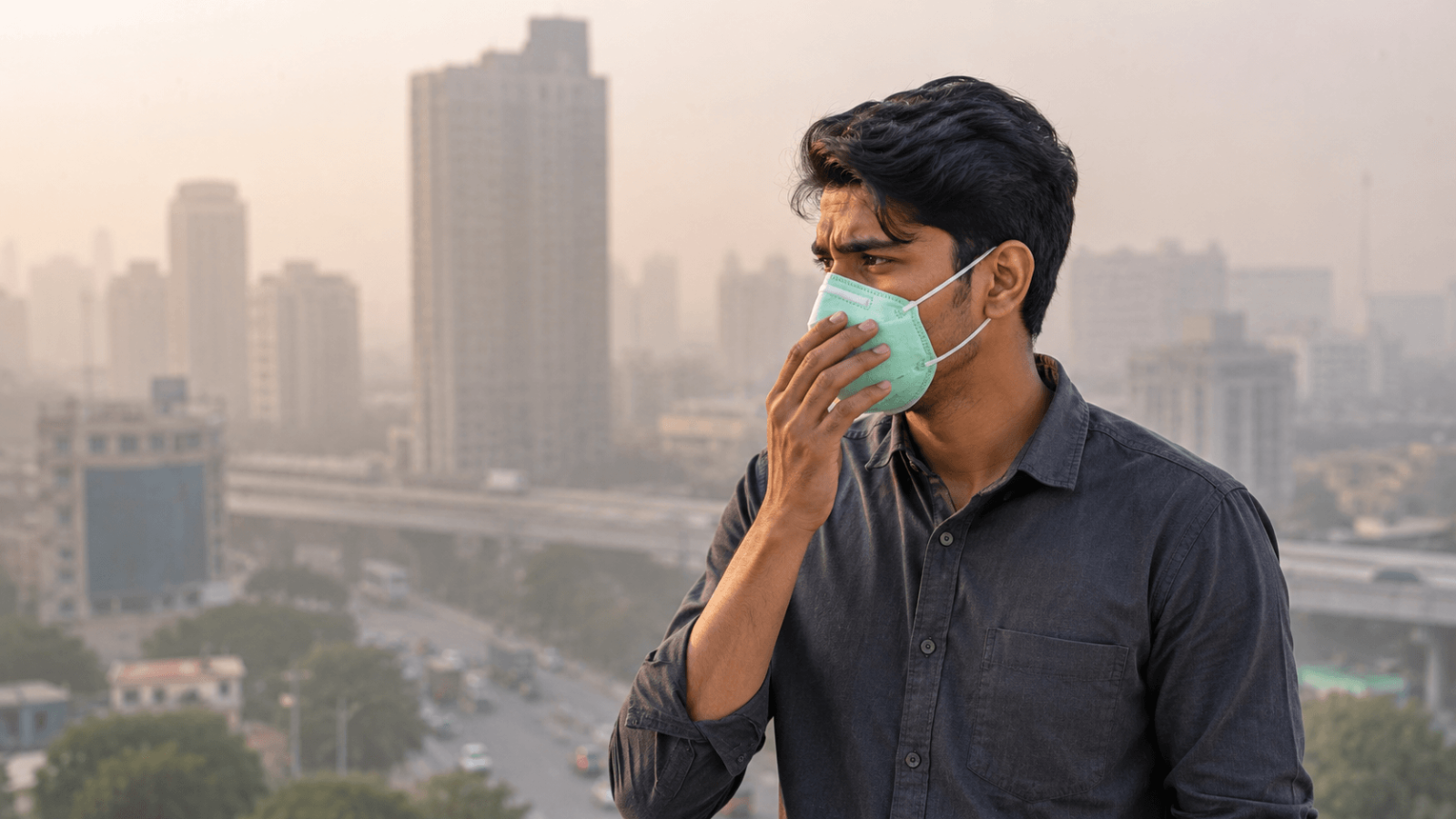
Smog season in Karachi 2026 worsens respiratory issues for many residents. Taking practical steps like limiting outdoor exposure, using masks, and consulting doctors helps protect your lungs.
Imagine stepping outside, and the thick, greyish haze envelopes the city like a heavy blanket. In Karachi, this smog has become a seasonal visitor that brings more than just poor visibility—it brings real risks to respiratory health. For many respiratory patients and residents, managing breathing problems during this smog season is a daily challenge.
The smog season in Karachi 2026 significantly worsens respiratory issues by increasing harmful air pollutants. To manage these problems, residents should reduce outdoor exposure, use protective face masks, maintain indoor air quality, and seek timely medical advice for worsening symptoms.
Why Is Smog Season Worse for Respiratory Health in Karachi?
Karachi’s smog season typically peaks in the cooler months but the early onset in 2026 has caught many by surprise. Smog is a mix of smoke and fog, heavily polluted with particles from vehicles, factories, burning garbage, and dust. This haze contains tiny particles called PM2.5 and PM10 that can penetrate deep into the lungs and bloodstream.
These particles irritate the airways, trigger inflammation, and worsen conditions like asthma, chronic bronchitis, and chronic obstructive pulmonary disease (COPD). For people with healthy lungs, smog increases the risk of respiratory infections and causes symptoms like coughing, wheezing, and shortness of breath.
The health effects of smog in Pakistan have been documented by local health authorities and international bodies like the WHO. Karachi’s dense population and industrial activity add to the pollution burden, making residents especially vulnerable during smog episodes.
What Are the Common Smog Respiratory Issues Karachi Residents Face?
During smog season, Karachi residents often experience a range of respiratory problems. Common complaints include persistent cough, throat irritation, nasal congestion, and difficulty breathing especially during physical activity.
For respiratory patients, smog can trigger flare-ups. Asthma attacks may become more frequent and severe. COPD patients might notice increased mucus production and breathlessness. Even those without chronic lung disease can develop bronchitis-like symptoms. Children, the elderly, and people with heart conditions are at higher risk for complications.
Additionally, many Karachi residents report waking up with headaches, fatigue, and dry eyes—signs that the polluted air is affecting their overall health. Recognizing these symptoms early and taking action can prevent serious complications.
How Can Karachi Residents Protect Their Respiratory Health During Smog?
Protecting your lungs during smog season means lowering your exposure and boosting your body’s defenses. Here are some practical steps:
- Stay indoors when smog levels are high: Check daily air quality reports for Karachi and plan outdoor activities accordingly. Schools and workplaces often adjust hours to avoid peak smog times.
- Use high-quality face masks: For unavoidable outdoor exposure, wear N95 or better masks that filter fine particles. Cloth masks are less effective against smog pollutants.
- Keep indoor air clean: Close windows during smog episodes and use air purifiers if possible. Avoid smoking or burning anything indoors to reduce additional pollution.
- Stay hydrated and eat lung-friendly foods: Drinking enough water helps thin mucus. Fresh fruits and vegetables rich in antioxidants support lung repair.
- Follow prescribed treatment: Respiratory patients should continue their medications as directed and adjust inhaler use under doctor supervision if symptoms worsen.
When Should You See a Doctor During Smog Season?
Smog respiratory issues can escalate quickly for some people. Seek urgent medical help if you experience:
- Severe shortness of breath or difficulty speaking
- Chest pain or pressure
- Blue lips or face indicating low oxygen
- High fever with cough or sputum changes
- Confusion or sudden drowsiness
For routine worsening symptoms like increased cough, wheezing, or persistent fatigue, book a consultation with a pulmonologist or general physician. On HelloDr.pk you can easily find and book an appointment with PMDC-verified respiratory specialists in Karachi.
How Does Karachi Compare to Other Pakistani Cities in Smog Health Effects?
While Lahore and Islamabad also face smog challenges, Karachi’s coastal climate often brings a mix of humidity and dust that varies the type of pollutants residents breathe. The city’s industrial zones and heavy traffic add unique components to its smog profile. Health studies show Karachi experiences frequent peaks in PM2.5 levels that exceed safe limits set by the Pakistan National Environmental Protection Agency.
Compared to northern cities, Karachi’s smog season may be shorter but intense, requiring targeted public health responses. Residents with respiratory diseases need to be extra cautious during these months.
What Are Effective Home Measures to Manage Smog Respiratory Issues?
At home, creating a safer breathing environment can make a big difference. Simple actions include:
- Use a humidifier during dry weather to keep airways moist.
- Clean floors and surfaces regularly to reduce dust buildup.
- Avoid using incense, mosquito coils, or indoor heaters that produce smoke.
- Ventilate your home on days with better air quality, preferably early morning.
These measures reduce indoor triggers and help respiratory patients feel more comfortable during smog days.
How to Use HelloDr.pk to Manage Respiratory Issues During Smog Season Karachi 2026
If you or your family members suffer from respiratory problems during smog season, HelloDr.pk can help you access timely care. Here’s how to use HelloDr.pk effectively:
- Visit HelloDr’s booking page and select “Pulmonologist” or “General Physician” under Doctors by specialty.
- Filter results to show doctors available for online video consultation or in-clinic visits in Karachi.
- Choose a doctor based on patient ratings, consultation fees, and available times.
- Book your appointment securely and get confirmation instantly.
- Prepare your medical history and any previous test results for the consultation.
- After the consultation, use HelloDr’s pharmacy service to order prescribed medicines delivered to your door.
This quick access can make a big difference in managing smog-related respiratory flare-ups without long waits.
Bottom Line: Managing Respiratory Issues During Smog Season Karachi 2026
Smog season continues to challenge the health of Karachi’s residents, especially those with existing respiratory conditions. Understanding the risks, protecting yourself through masks and indoor air quality, and knowing when to seek medical help are vital steps.
Karachi’s unique smog profile demands awareness and practical action. Thanks to healthcare platforms like HelloDr.pk, getting expert advice and treatment is easier than ever, helping you breathe easier despite the haze.
Frequently Asked Questions
What is smog and how does it affect the lungs?
Are certain people in Karachi more vulnerable to smog respiratory issues?
Can wearing a surgical mask protect me from smog?
How often should respiratory patients consult their doctor during smog season?
What indoor air cleaning methods are effective against smog pollution?
If you are experiencing respiratory symptoms or want advice on managing health during smog, you can easily book a video consultation with a respiratory specialist on HelloDr.pk.
This article is for general information only and is not a substitute for professional medical advice. Always consult a qualified doctor for diagnosis and treatment. On HelloDr you can book a PMDC-verified doctor for an in-clinic or online consultation.






0 Comments