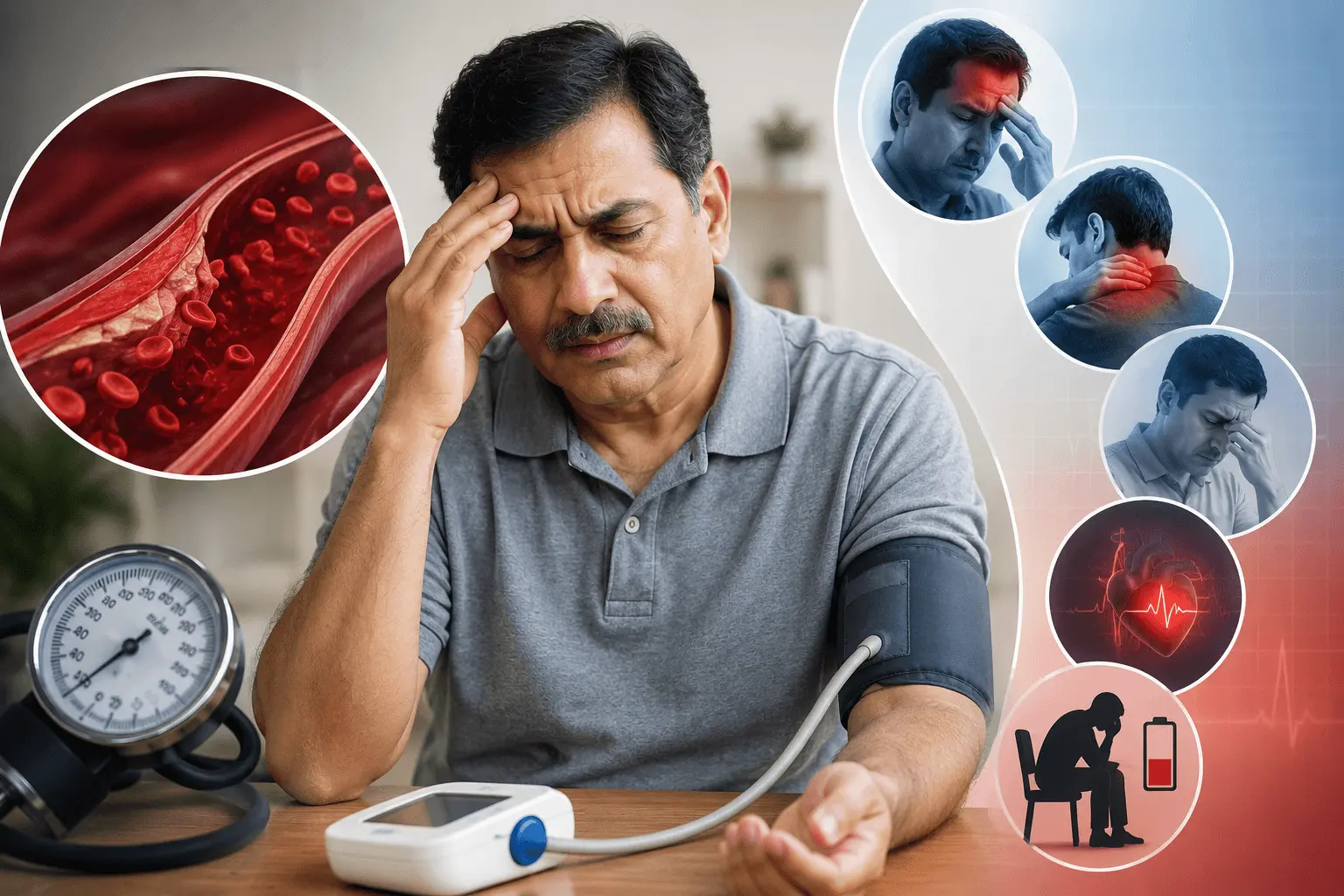
High blood pressure often shows subtle or no symptoms, which is why regular blood pressure checks are vital. Recognizing hypertension signs early helps prevent heart disease and serious complications.
Many adults in Pakistan live with high blood pressure without realizing it. Some believe symptoms will always be obvious, but that’s not the full story. Understanding what high blood pressure symptoms really look like can save lives.
High blood pressure, or hypertension, is often called a “silent killer.” This label isn’t just dramatic—it’s because many people feel perfectly fine even as their blood pressure rises to dangerous levels. So, what can alert you to this condition? Let’s clear up the common misunderstandings and focus on the facts.
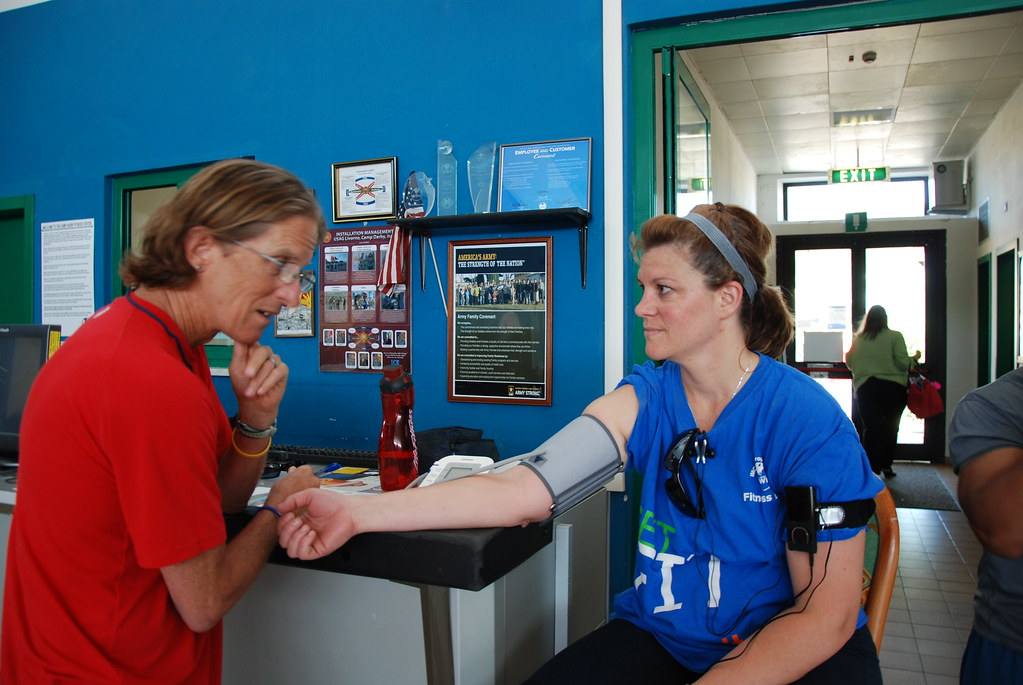 Image: Bloodpressure by campdarby — CC BY 2.0, via Openverse
Stop Believing These Common Myths About High Blood Pressure Symptoms
Myth 1: You’ll always feel symptoms if your blood pressure is high. This is false. Most adults with hypertension have no obvious symptoms for years. This is why regular blood pressure check is crucial, even if you feel well.
Myth 2: Headaches or dizziness always mean you have high blood pressure. While these can be signs, they occur for many reasons unrelated to blood pressure. Relying on these alone can be misleading.
Myth 3: High blood pressure symptoms appear suddenly and are easy to spot. Unfortunately, hypertension develops gradually. Many only discover it during routine health visits or when complications arise.
Recognize the Real Hypertension Signs You Shouldn’t Ignore
Even if high blood pressure often lacks clear symptoms, certain signs might hint at trouble. These include:
- Persistent headaches, especially in the morning
- Shortness of breath during physical activity
- Fatigue or confusion
- Chest pain or irregular heartbeat
- Vision problems
- Nosebleeds (less common but possible)
If you experience any of these, particularly if you have risk factors like a family history or obesity, it is important to get your blood pressure measured promptly. A cardiologist can help interpret the results and recommend next steps.
Why Regular Blood Pressure Check Is Your Best Defense
In Pakistan, many adults visit doctors mainly when symptoms become severe. This approach misses the chance to catch hypertension early. The WHO notes that early detection through regular blood pressure monitoring helps prevent heart attacks and strokes. Blood pressure can be measured easily at clinics, pharmacies, or even at home with a reliable device.
Adults over 30, especially those with a family history or unhealthy lifestyles, should have their blood pressure checked at least once a year. Those with risk factors might need it more often. This simple step is the foundation of effective heart disease prevention.
Make Lifestyle Changes to Protect Your Heart and Lower Blood Pressure
Managing high blood pressure doesn’t always require medication first. Many adults in Pakistan can benefit from lifestyle changes that reduce hypertension risk and improve overall health.
- Adopt a balanced diet: Reduce salt intake, limit fried and processed foods common in local diets, and increase fruits, vegetables, and whole grains.
- Stay physically active: Aim for at least 30 minutes of moderate exercise most days—walking, cycling, or dancing to your favourite music.
- Maintain a healthy weight: Excess weight strains the heart. Losing even a small amount can lower blood pressure.
- Avoid tobacco and limit alcohol: Smoking and excessive alcohol raise your risk of hypertension and heart disease.
- Manage stress: Practices like deep breathing, prayer, or connecting with friends can help reduce stress, which impacts blood pressure.
Local factors like hot summers, pollution, and urban lifestyles also influence health choices. A clinical dietician or a community medicine specialist can offer tailored advice for your situation.
See a Doctor Urgently If You Experience These Warning Signs
Some symptoms need immediate medical attention because they may indicate dangerously high blood pressure or complications:
- Sudden severe headache
- Chest pain or pressure
- Sudden weakness, numbness, or difficulty speaking
- Blurred or lost vision
- Shortness of breath at rest
These signs might signal a hypertensive crisis or stroke. Prompt hospital care can save lives and reduce long-term disability. Don’t wait or try home remedies in these cases.
How HelloDr Supports Your Blood Pressure Journey
Monitoring and managing blood pressure is easier with the right support. HelloDr connects you with PMDC-verified doctors, including cardiologists and clinical dieticians, who can guide your care from home or clinic. You can also book online consultations, order blood pressure tests, and find nearby hospitals for emergencies.
FAQ
What are the early symptoms of high blood pressure?
How often should I get my blood pressure checked?
Can lifestyle changes alone control high blood pressure?
Is high blood pressure hereditary?
When should I see a doctor urgently for high blood pressure?
Understanding the real high blood pressure symptoms and acting early can protect your heart and health. To take the next step, you can book an appointment with a qualified cardiologist or visit a nearby clinic for a blood pressure check.
This article provides general information and is not a substitute for professional medical advice. For personal diagnosis or treatment, consult a PMDC-verified doctor, available on HelloDr.



0 Comments