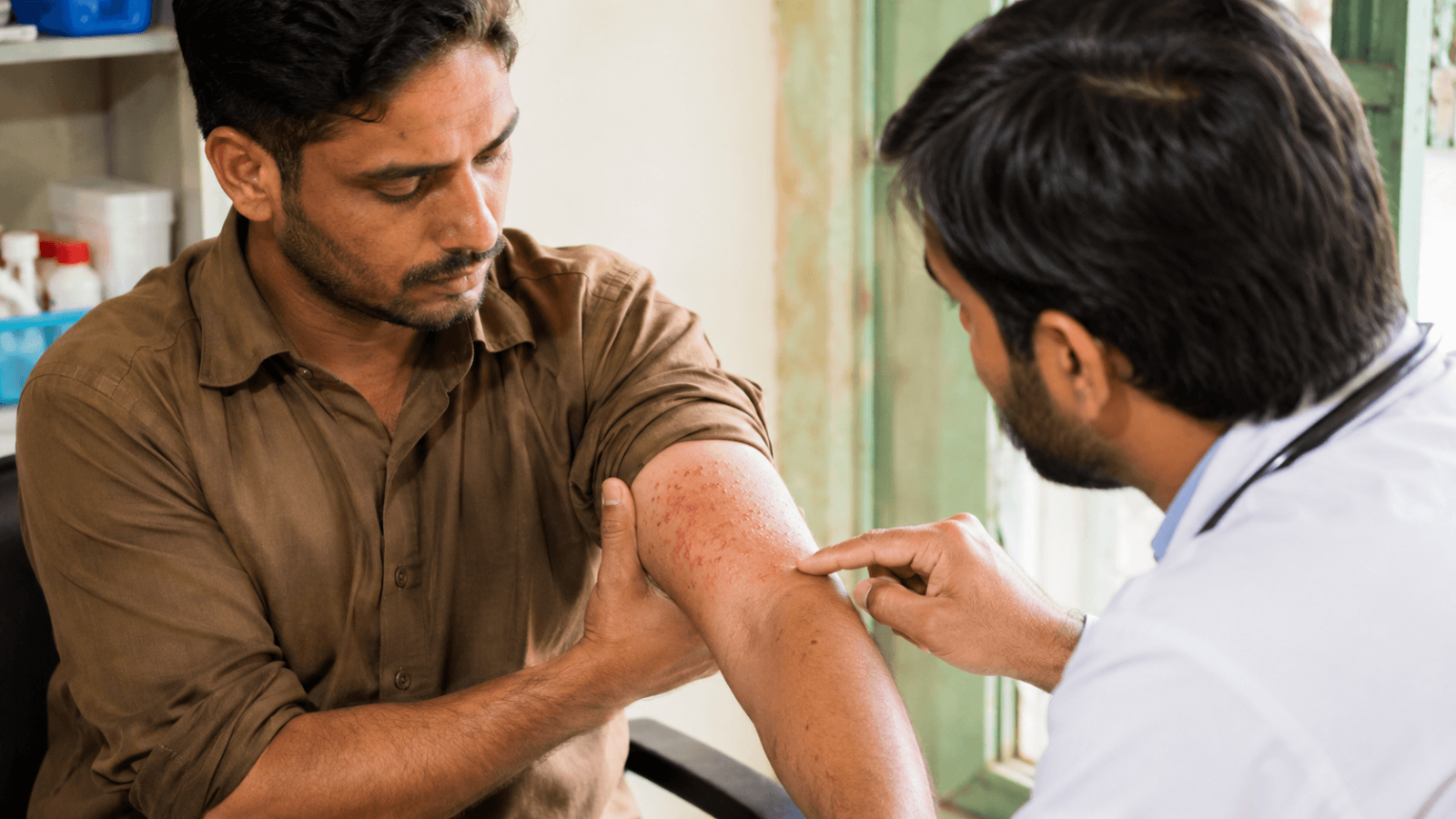
Skin infections rise in Pakistan’s monsoon due to humidity and dampness. Common infections include fungal, bacterial, and viral types, each needing proper care and medical advice.
Many people believe that just staying dry will prevent skin problems during Pakistan’s monsoon season. But the truth is more complex. The humid, wet climate encourages different types of skin infections that often get worse without timely care. This article compares the most common monsoon skin infections in Pakistan and explains practical treatment options you should know about to protect yourself and your family.
Monsoon skin infections in Pakistan often appear due to a combination of excess moisture, poor hygiene, and overcrowded living conditions in many urban and rural areas. Fungal infections are especially common, but bacterial and viral infections also rise during these months. Understanding their differences and treatment approaches will help you manage symptoms safely and seek medical help when needed.
Key takeaways:
- Fungal infections like athlete’s foot and ringworm are widespread in Pakistan’s monsoon due to dampness and heat.
- Bacterial skin infections such as impetigo and boils often develop from minor cuts or insect bites worsened by moisture.
- Viral infections like herpes simplex and warts may flare up or spread more easily in humid conditions.
- Proper hygiene, keeping skin dry, and timely consultation with a dermatologist are vital for effective treatment.
- Over-the-counter antifungal and antibacterial creams help but do not replace professional diagnosis and treatment.
Why Monsoon Favors Skin Infections in Pakistan
Pakistan’s monsoon season begins in late June or early July and lasts till September, bringing heavy rain, increased humidity, and cooler temperatures compared to the scorching summer months. For evidence-based information on common skin infections during monsoon and treatment options Pakistan 2026, see MedlinePlus (US NIH) and the U.S. CDC.
This combination creates the perfect environment for many skin pathogens to thrive. Fungi, bacteria, and viruses all multiply faster in warm, moist conditions. The skin’s natural barrier weakens when it remains wet or dirty for long periods, making infections more likely.
Additionally, many outdoor workers, students, and travellers find it hard to keep clean and dry during monsoon rains. Crowded homes and limited access to clean water in some areas can worsen hygiene challenges. Together, these factors raise the risk of monsoon skin infections Pakistan-wide.
Common Types of Monsoon Skin Infections in Pakistan
Fungal Infections: The Most Frequent Offenders
Fungal infections are the leading cause of monsoon skin problems. These infections are caused by fungi that feed on keratin, a protein in skin, hair, and nails. The most common fungal infections during monsoon include:
- Tinea corporis (ringworm): Presents as round, red, scaly patches with clear centers and raised borders, often itchy.
- Tinea pedis (athlete’s foot): Affects feet, especially between toes, causing peeling, cracking, and itching.
- Candidiasis: Caused by Candida yeast, often affecting moist areas like underarms, groin, and under breast folds, leading to red, inflamed rashes.
Fungal infections spread easily through contaminated floors, towels, and clothing, especially in schools, gyms, and crowded homes. Wearing wet clothes or shoes for long hours during monsoon increases risk.
Bacterial Infections: From Minor Cuts to Serious Sores
Bacterial skin infections rise during monsoon due to increased exposure to contaminated water and soil. Common bacterial infections include:
- Impetigo: A contagious infection causing red sores that burst and form honey-colored crusts, mostly on the face and limbs.
- Cellulitis: A deeper infection causing redness, swelling, and warmth of the skin, often following an injury or insect bite.
- Boils and abscesses: Painful pus-filled lumps caused by infected hair follicles or sweat glands.
Scratches or insect bites that stay wet or dirty are common entry points for bacteria. Monsoon flooding and stagnant water also increase bacterial exposure.
Viral Skin Infections: Less Common but Troubling
Viruses can cause skin infections that may worsen in the moist monsoon environment. These include:
- Herpes simplex virus (cold sores): Causes painful blisters around the mouth or other areas.
- Warts: Small rough bumps caused by human papillomavirus (HPV), more common with skin damage and moisture.
Viral infections usually require different treatment approaches than fungal or bacterial infections and often need a doctor’s evaluation.
How to Prevent Monsoon Skin Infections Effectively
Prevention is the best way to avoid skin infections during Pakistan’s monsoon. Here are practical steps that help reduce risk:
- Keep skin dry: Change out of wet clothes and shoes quickly. Use breathable cotton fabrics to reduce sweating.
- Practice good hygiene: Regularly wash skin with mild soap and water and dry thoroughly, especially in skin folds.
- Avoid sharing personal items: Towels, socks, and footwear can spread fungal and bacterial infections.
- Wear protective footwear: Use sandals or waterproof shoes in wet areas to avoid contact with contaminated surfaces.
- Treat minor cuts and insect bites promptly: Clean wounds and cover them to prevent infection.
These steps are especially important for children, outdoor workers, and people with diabetes or weakened immunity, as they face higher risks.
Treatment Options for Monsoon Skin Infections in Pakistan
When skin infections occur, understanding treatment options helps manage symptoms and prevent complications. However, no infection should be self-diagnosed or treated without medical advice. Consulting a dermatologist or general physician is essential.
Fungal Infection Treatments
Antifungal creams and powders are commonly used to treat fungal infections. They reduce fungal growth and relieve itching and redness. Examples include clotrimazole and terbinafine, but the choice depends on infection type and severity.
In more severe or widespread cases, oral antifungal medicines may be prescribed by your doctor. Treatment duration varies but usually lasts several weeks to clear the infection completely.
Maintaining dry skin during treatment is crucial to prevent recurrence. Avoid using steroid creams unless prescribed, as they can worsen fungal infections.
Bacterial Infection Treatments
Bacterial skin infections often respond well to topical antibiotic creams if caught early. For deeper or more severe infections like cellulitis or boils, oral antibiotics may be necessary.
Good wound care, including cleaning and covering infected areas, helps prevent spread and speeds healing. If a boil becomes large or painful, medical drainage by a healthcare professional may be needed.
Viral Infection Treatments
Viral skin infections usually require antiviral medications, which your doctor will decide based on the condition. Symptomatic treatments like pain relief and keeping the affected area clean are also helpful.
Because viruses behave differently than fungi or bacteria, professional diagnosis is important to avoid ineffective or harmful treatments.
When to See a Doctor Urgently: Red Flags for Skin Infections
Some skin infection symptoms need immediate medical attention. See a doctor urgently if you experience:
- Rapidly spreading redness, swelling, or warmth around a wound or rash.
- High fever (bukhar) accompanying skin infection symptoms.
- Severe pain, pus drainage, or foul smell from an infected area.
- Skin ulcers or sores that do not heal or worsen despite treatment.
- Signs of allergic reaction such as difficulty breathing, swelling of face or lips.
Ignoring these signs can lead to serious complications. In Pakistan, timely hospital care or specialist consultation can save lives and prevent permanent skin damage.
How to Consult a Dermatologist on HelloDr.pk
If you suspect a monsoon skin infection, you can quickly connect with a qualified specialist through HelloDr.pk. Here’s how:
- Visit HelloDr booking to find dermatologists verified by the Pakistan Medical & Dental Council (PMDC).
- Choose between in-clinic or online video consultation based on your convenience.
- Pick a suitable date and time, then confirm the appointment.
- Prepare to describe your symptoms and share photos if needed during the consultation.
- Follow your doctor's advice for tests, treatment, and follow-up on the same platform.
This service helps avoid crowded clinics and saves travel time, especially during unpredictable monsoon weather.
Comparing Treatment Options: What Works Best for You?
Choosing the right treatment depends on infection type, severity, and your overall health. Here’s a simple comparison table to help you understand options:
| Infection Type | Common Treatments | Notes |
|---|---|---|
| Fungal | Topical antifungals, oral antifungals | Keep skin dry; avoid steroids unless prescribed |
| Bacterial | Topical antibiotics, oral antibiotics, drainage if needed | Clean wounds well; seek early care to prevent spread |
| Viral | Antiviral medications, symptomatic relief | Requires doctor diagnosis; avoid self-medication |
FAQ About Common Skin Infections During Monsoon and Treatment Options Pakistan 2026
What are the most common fungal infections during monsoon in Pakistan?
Can I treat monsoon skin infections at home without a doctor?
How long do fungal infections take to heal during monsoon?
Are monsoon skin infections contagious?
Can viral skin infections worsen during monsoon?
If you notice any worrying skin changes this monsoon, consult a dermatologist online or book an in-clinic appointment through HelloDr.pk for expert advice and treatment.
This article is for general information only and is not a substitute for professional medical advice. Always consult a qualified doctor for diagnosis and treatment. On HelloDr you can book a PMDC-verified doctor for an in-clinic or online consultation.






0 Comments