
Chikungunya symptoms often start with sudden fever and severe joint pain. This article guides adults in Pakistan to recognize signs, understand differences from dengue, and know the treatment options.
Have you suddenly experienced high fever and jodon mein dard bukhar ke baad (joint pain after fever)? You might be wondering if it’s chikungunya or dengue, two common viral infections in Pakistan with overlapping symptoms.
Quick answer: Chikungunya symptoms typically include sudden high fever, severe joint pain, muscle aches, rash, and headache. Joint pain often lasts longer than in dengue. Early recognition is key to managing the illness and preventing complications.
Spotting Early Chikungunya Symptoms
The first signs of chikungunya usually appear 3 to 7 days after a bite from an infected Aedes mosquito, common in many parts of Pakistan, especially during and after the monsoon season [VERIFY]. The hallmark symptom is a sudden onset of high bukhar (fever), often above 38.5°C (101.3°F) [VERIFY], accompanied by severe pain in multiple joints—mostly in the hands, wrists, ankles, and feet.
This joint pain is distinctively intense and can last weeks or even months, often described by patients as debilitating. Alongside, you may notice muscle aches (myalgia), intense headaches, and sometimes a skin rash appearing 2 to 5 days after the fever starts. The rash typically affects the trunk, limbs, and sometimes the face.
Fatigue and nausea may also accompany these symptoms, making daily activities difficult. The pattern of pain can be symmetrical, affecting the same joints on both sides of the body.
Why Does Joint Pain Persist After Fever?
In chikungunya, the immune response triggered by the virus causes inflammation in the joints, leading to the severe jodon mein dard bukhar ke baad. This pain can feel like arthritis and may persist even when the fever has resolved, sometimes lasting several months [VERIFY]. This post-viral arthritis-like pain differs from typical flu joint aches because of its duration and severity.
Patients often report stiffness, swelling, and difficulty moving affected joints. This symptom significantly impacts quality of life and may require supportive care and pain management under medical supervision.
How to Tell Chikungunya vs Dengue Apart
Both chikungunya and dengue are transmitted by the same mosquitoes and share overlapping symptoms. However, understanding their differences is crucial for timely care:
- Fever pattern: Chikungunya usually causes sudden very high fever lasting 2-3 days, while dengue fever can have a more variable fever pattern.
- Joint pain: Severe, persistent joint pain is a hallmark of chikungunya. Dengue may cause mild to moderate muscle and joint pain but rarely the intense arthritis-like pain seen in chikungunya.
- Rash: Rash can occur in both illnesses but tends to appear earlier in chikungunya.
- Bleeding and platelet count: Dengue often causes a drop in platelet count and bleeding tendencies, which are not typical in chikungunya.
Because symptoms overlap, laboratory testing is often needed to confirm the diagnosis. In Pakistan, common tests include serology and PCR for both viruses [VERIFY].
What Does Chikungunya Treatment Involve?
No specific antiviral exists for chikungunya, so treatment focuses on symptom relief. Patients are advised to rest, stay hydrated, and use pain relief medications such as paracetamol following package instructions or doctor’s advice [VERIFY]. Avoid non-steroidal anti-inflammatory drugs (NSAIDs) like aspirin unless prescribed, especially if dengue has not been ruled out, due to bleeding risk.
For severe joint pain, doctors in Pakistan may recommend supportive therapies, including physical therapy to maintain joint movement and reduce stiffness. Persistent joint pain might require consultation with a rheumatologist or pain specialist.
Since chikungunya is viral, antibiotics have no role unless a secondary bacterial infection develops. Most people recover fully within weeks to months, but some may experience prolonged joint symptoms.
Chikungunya in Pakistan: What Adults Should Know
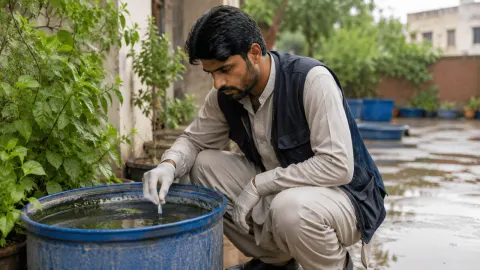
Chikungunya outbreaks have been reported in various regions of Pakistan, especially during the warmer months when Aedes mosquitoes thrive [VERIFY]. Urban areas with stagnant water sources provide breeding grounds for these mosquitoes.
Awareness about chikungunya symptoms is vital because many adults confuse it with dengue or flu. Early diagnosis and proper symptom management reduce complications. Preventive measures such as mosquito control and personal protection remain the best defense.
Healthcare facilities in Pakistan are increasingly equipped to test for chikungunya alongside dengue. You can find verified specialists and book consultations through HelloDr to discuss symptoms and management options.
When Should You See a Doctor Urgently?
If you or someone you know has chikungunya symptoms but also experiences any of the following, seek immediate medical care:
- Signs of bleeding such as gum bleeding, nosebleeds, or blood in urine or stools
- Severe abdominal pain or persistent vomiting
- Difficulty breathing or chest pain
- Confusion, persistent headache, or sudden weakness
- High fever lasting more than 5 days [VERIFY]
These could indicate complications or co-infection with dengue or other illnesses requiring urgent care.
Bottom line
Chikungunya symptoms start with sudden fever and intense joint pain that can last long after the fever disappears. Differentiating it from dengue is important for safe treatment. In Pakistan, awareness of local outbreaks and symptom recognition helps adults seek timely medical advice. Management focuses on relieving symptoms and preventing mosquito bites.
For trusted medical advice and to consult PMDC-verified doctors experienced with chikungunya, visit HelloDr to book an appointment. Early care improves recovery and quality of life.
FAQ
What is the typical duration of chikungunya symptoms?
Can chikungunya be prevented?
Is chikungunya contagious from person to person?
How is chikungunya diagnosed in Pakistan?
Can chikungunya recur?
For further reading on mosquito-borne illnesses, visit HelloDr’s disease information.
Disclaimer: This article provides general information and is not a substitute for professional medical advice. Always consult a PMDC-verified doctor for diagnosis and treatment.






0 Comments